
WoF requirements / inspection
A WoF is a safety inspection against a national standard: tyres and wheels, brakes, lights, steering and suspension, structure and rust, glazing, seatbelts, doors, and the warning systems the vehicle was built with. It is not a mechanical check and says nothing about the engine. Caravans, motorhomes and light trailers need their own warrant, separate from the vehicle towing them. From 1 November 2026 the AEB and lane keep assist warning indicators are added to the check.
A Warrant of Fitness is a safety inspection against a national standard, carried out at a point in time. Understanding the boundary of that sentence is worth more than memorising the checklist, because almost every disappointment with the WoF system comes from expecting it to certify something it never claimed to.
Every inspecting organisation appointed by NZTA works to the same requirements. There is no strict garage and no soft garage by design, and no provider can pass a vehicle that does not meet the standard or fail one that does.
What gets inspected
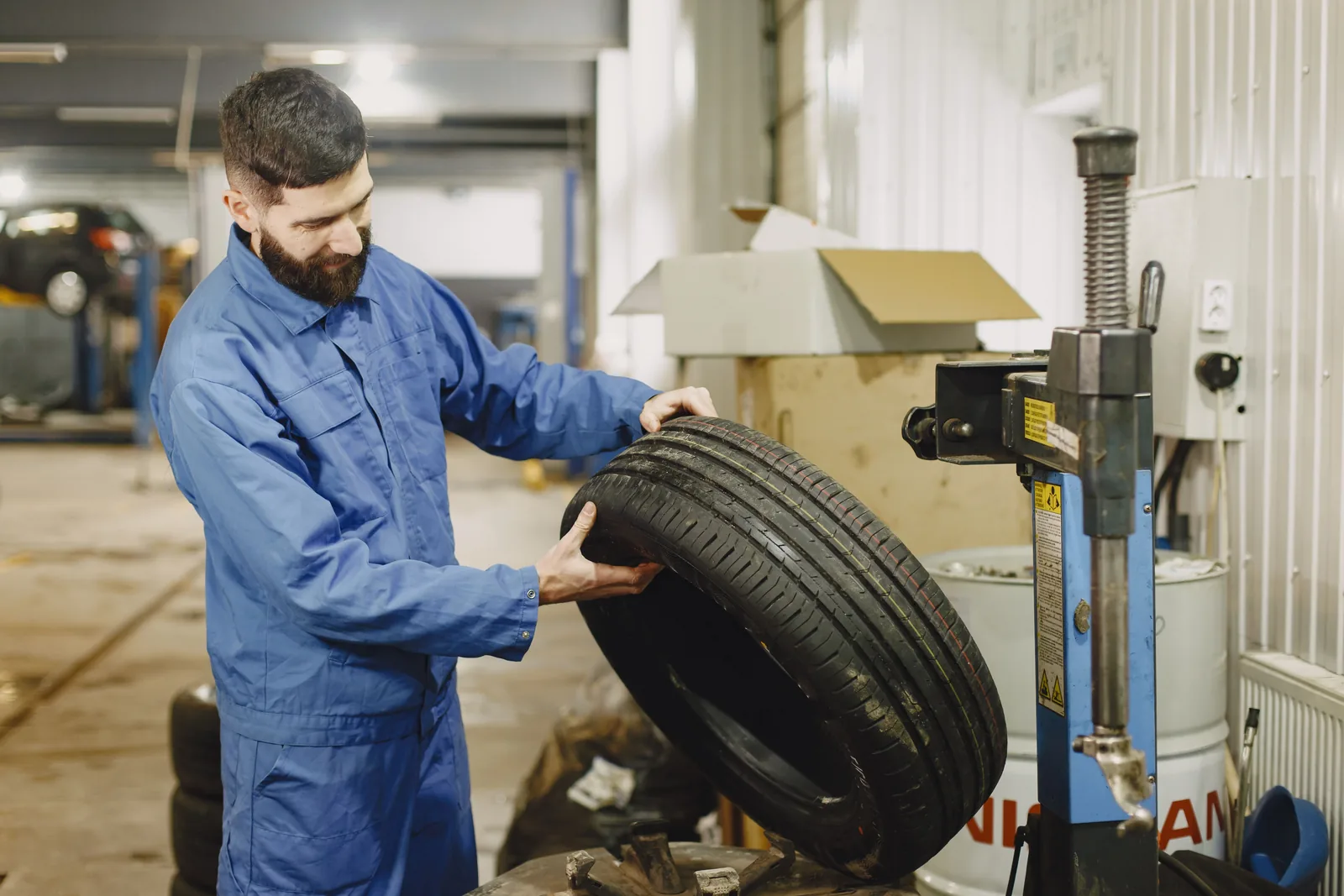
The inspection covers the parts of a vehicle that determine whether it is safe to be on the road: tyres and wheels, including tread depth and damage; brakes; lights, indicators and reflectors; steering and suspension; the structure, with particular attention to rust in load-bearing areas; glazing, windscreen condition and wipers; seatbelts and their anchorages; doors, mirrors and the horn; the exhaust and fuel systems; and the warning systems the vehicle was originally built with.
Rust is the one that ends vehicles. Surface rust on a panel is cosmetic; rust in a structural or load-bearing area is a fail, and on an older vehicle it is often the point at which repairing costs more than the vehicle is worth.
From 1 November 2026 two items are added: the warning indicators for autonomous emergency braking and lane keep assist, on vehicles fitted with those systems. It works like the existing warning-light checks, meaning a fault light that has been on for a year is now a fail rather than an irritation. What else changes on that date covers the new frequency bands too, which affect far more owners.
What is deliberately not inspected
Mechanical condition. A warrant says nothing about the engine, the clutch, the gearbox, the cambelt or how long anything will last. It is not a valuation and not a substitute for a pre-purchase inspection.
A current WoF is not evidence that a used car is sound. It records that the vehicle met the safety standard on the day it was inspected, which may have been eleven months ago. If you are buying, pay for a pre-purchase inspection — a different service, done for you rather than for the register — and treat the warrant as a legal requirement the seller has met, not as a report on the car.
The other thing the warrant does not do is bind the future. Your legal obligation is to keep the vehicle in a safe condition every day, not only on inspection day. That obligation gets more practical weight from 1 November 2026, when most light vehicles move to a two-yearly inspection and the prompt that used to catch a worn tyre disappears for half the time.
Caravans, motorhomes and light trailers
This is where the requirements diverge from an ordinary car, and where most of the genuine confusion sits.
A caravan or light trailer is a vehicle in its own right. It needs its own warrant of fitness and its own vehicle licence, both entirely separate from the vehicle towing it and with their own expiry dates. A car with eleven months of warrant towing a caravan whose warrant expired in March is two problems, not one.
The inspection on a trailer or caravan concentrates on the running gear: the coupling and safety chains, the drawbar and structure, the axles, springs and bearings, tyres and wheels, the lights and their wiring, and brakes where the trailer is required to have them. What is not inspected is the living space — the bed, the gas appliances and the plumbing in a caravan are not part of the warrant, which does not mean they are not a safety matter, only that a different regime deals with them.
A motorhome is the other way round. It is a single self-propelled vehicle, so it takes one inspection, but which inspection depends on its gross vehicle mass and how it is used. A heavy motorhome, or one hired out, moves into Certificate of Fitness territory rather than a warrant. NZTA's page on motorhomes, caravans and light trailers sets out the classes, and it is worth reading against your own vehicle rather than against a similar one someone described to you.
Storage is not a problem. A caravan or trailer that sits unwarranted in a driveway for two years incurs nothing — no back fees, no reinstatement, no process. You book an inspection before you use it and that is the end of it. The exposure only exists on the road.
Before you book
- Check when it is actually due
Check the WoF expiry against the plate, and do the trailer or caravan separately. They are different vehicles with different dates.
- Do the ten-minute walkaround
All lights and indicators, tyre tread and pressures, wiper blades, washer fluid, horn, and a look for anything hanging loose underneath. This is where most fails come from.
- Deal with the warning lights on the dash
Anything illuminated is a question at the inspection, and from November 2026 that includes the AEB and lane keep assist indicators.
- Book somewhere you can get back to
A failed inspection carries a free recheck within 28 days at the same inspecting organisation, which can be another branch of the same company but not a different one. WoF cost explains why that makes convenience worth more than price.
- Sort it before the rego is due
A vehicle cannot be relicensed without a current warrant, so a lapsed inspection blocks the licence — the WoF and rego catch-22 is what happens when both go at once and you cannot legally drive to fix either.
For frequency, what a warrant certifies and what happens when a vehicle fails, the Warrant of Fitness overview covers the system as a whole.
Frequently asked questions
Do caravans need a WoF in NZ?
What does a WoF actually check?
What is not checked in a WoF?
What is the most common reason for failing a WoF?
Does a small trailer need a WoF?
Sources and verification
- NZ Transport Agency Waka Kotahi. Warrant of Fitness, checked 2026-08-12.
- NZTA Vehicle Inspection Portal. In-service WoF and CoF — inspection and certification process, checked 2026-08-12.
- NZTA Vehicle Inspection Portal. Changes to light vehicle inspections from 1 November 2026, checked 2026-08-12.
Checked against the sources above. If something has changed, tell us.